Roof Lantern vs Flat Rooflight. Which Suits Your Extension?
Short answer: A roof lantern is more of a feature. A flat rooflight is a tool. If you want the ceiling to be part of the design, with a pitched glass roof you can see from the garden, choose a lantern. If you simply want more daylight in a flat-roofed room without drawing attention to the roof, a flat rooflight does it for less. Lanterns start around £1,500 fitted; flat rooflights around £1,200 fitted.
What is the difference?
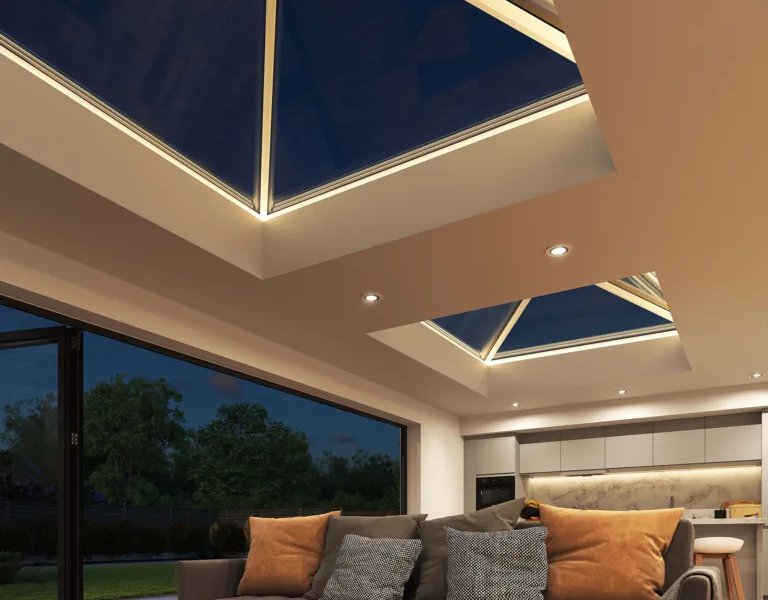
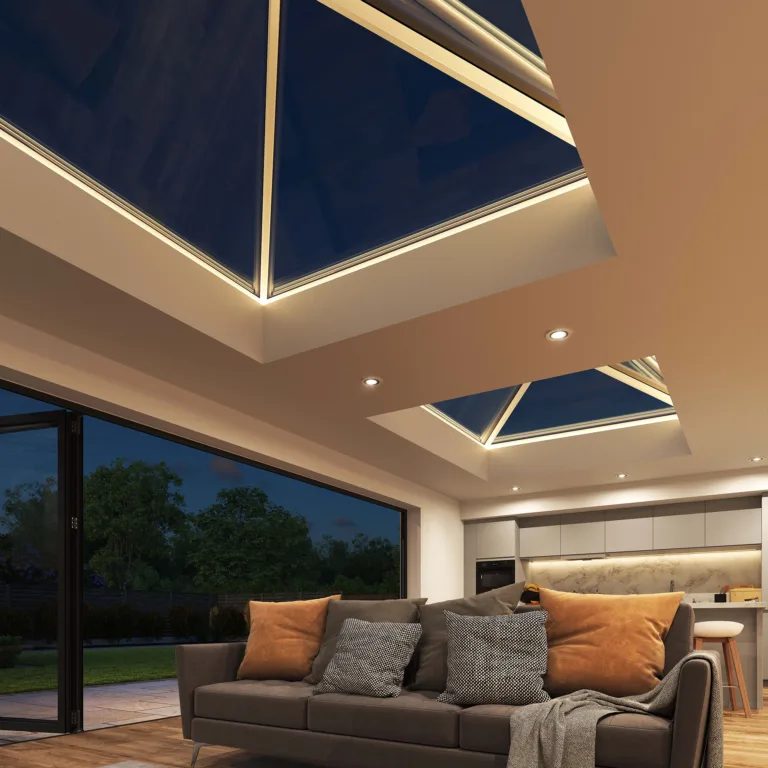
A roof lantern is a pitched glass structure, like a small glass roof, that sits on an upstand built into a flat roof. From inside you look up into a glass pyramid or ridge. From outside it stands proud of the roof.
A flat rooflight is a single pane of glass, or a slim frame with one or two panes, that sits almost flush with the roof. From inside it is a clean rectangle of sky. From outside you barely see it.
Side by side comparisons
Roof lantern.
Guide price, fitted - £2,500 to £6,000 depending on size and style.
Light - Excellent, from all sides as the sun moves
Looks from inside - A feature, adds height and drama
Looks from outside - Visible, a design statement
Usually permitted development, height limits may apply
Heat in summer - Less glass, easier to manage
Cleaning - Rain washes the dirt down the pitched glass
Flat rooflight.
Guide price, fitted - £1,200 to £3,500 depending on size and style.
Very good, straight down
Looks from inside - Almost invisible, look straight through to the sky
Looks from outside - Minimal, clean and low profile look
Usually permitted development
Heat in summer - More glass, so more solar gain; solar-control glass recommended
Cleaning - Can collect dirt and water if not pitched slightly
(Example prices are for the complete unit, supplied and fitted onto a prepared upstand. The builder's work to form the opening and upstand is separate and depends on your roof.)
When a roof lantern might be the right choice
The classic case is a rear kitchen extension. The room is deep, the back wall is bifold doors, and the middle of the room would be gloomy without light from above. A lantern over the island or the dining table turns that dark spot into the brightest part of the house. It also adds height and the pitched glass makes a flat ceiling feel taller. Our aluminium lanterns are slim framed and thermally broken, so they are warm in winter and look modern rather than like a conservatory roof. See our roof lanterns.
When a flat rooflight might be the right choice
If the room is a bathroom, a hallway, a utility room or a small single-storey extension, a flat rooflight gives you the daylight without the additional height or rafter bar interruptions. It also suits very modern architecture where a lantern would look fussy. A fixed flat rooflight has no opening parts, so it is simple, secure and cheaper. Opening and electric versions are available where you want ventilation. See our flat rooflights.
Size matters more than type
The most common mistake is going too small. A 1m by 1m rooflight in a 6m deep room makes a small bright square and leaves the rest dim. As a rough rule, aim for glass area of around 15 to 20 per cent of the floor area of the room, split between the roof glazing and the doors. For a 4m by 5m extension, that is a lantern around 1.5m by 2.5m or two decent sized flat rooflights.
Heat and glare
Glass in the roof gets full sun. On a south-facing extension, ask us about our solar-control glass. It cuts the heat coming in by around half without making the room noticeably darker. Self-cleaning glass is worth it on a lantern too, as it uses the rain to keep the glass clear. Both are small extras, but well worth considering.
Planning permission
Both roof lanterns and flat rooflights are usually covered by permitted development on a house, provided the lantern is not higher than the permission allows. Flats, listed buildings and conservation areas have different rules.
Our view
For a kitchen or dining extension you will spend time in every day, a lantern is likely going to be the best choice. It changes how the room feels, not just how bright it is. That said, it's pretty much all down to personal preference and budget. Book a free survey and we will measure the roof and quote both so you can compare.
Frequently asked questions
How much does a roof lantern cost fitted?
Around £2,500 to £6,000 for the lantern itself, supplied and fitted. Builder's work to the roof is extra.
Do roof lanterns leak?
A properly fitted lantern on a well-built upstand does not leak. Problems almost always come from the upstand or the flat roof itself.
Can a roof lantern go on an existing flat roof?
Yes, as long as the roof structure can take the opening. A builder forms the opening and upstand, then we fit the lantern.
Which lets in more light?
For the same footprint, a lantern, because the pitched glass catches light from more angles.