uPVC vs Aluminium Windows: Which Should You Choose?
Short answer: uPVC is the sensible choice for most homes. It costs around half as much as aluminium, performs just as well (if not better) on heat loss, and will last 20 years or more. Aluminium wins when you want very slim frames, large panes of glass, or a modern look to match your bifold or sliding doors. Pick on how the house looks and how much glass you want, not on which is "better".
The two side by side
uPVC
Fitted price per window £650 to £1,100
Frame width - Chunkier
Energy rating - A as standard, A+ available
Colours - White, woodgrains, popular colours, painted RAL
Lifespan - 25 to 35 years
Maintenance - Wipe down
Best for - Most homes, period looks, budget
Aluminium
Fitted price per window £1,100 to £1,900
Frame width - Slimmer
Energy rating - A as standard, A+ available
Colours - Any RAL colour, powder coated
Lifespan - 35 to 45 years
Maintenance - Wipe down
Best for - Modern homes, big glass, matching aluminium doors
Price
Aluminium costs more because the raw material costs more and the frames are made differently. On a three-bed semi with eight windows, that is the difference between roughly £5,500 to £8,500 in uPVC and £9,000 to £15,000 in aluminium. Our window cost guide breaks that down further.
Looks
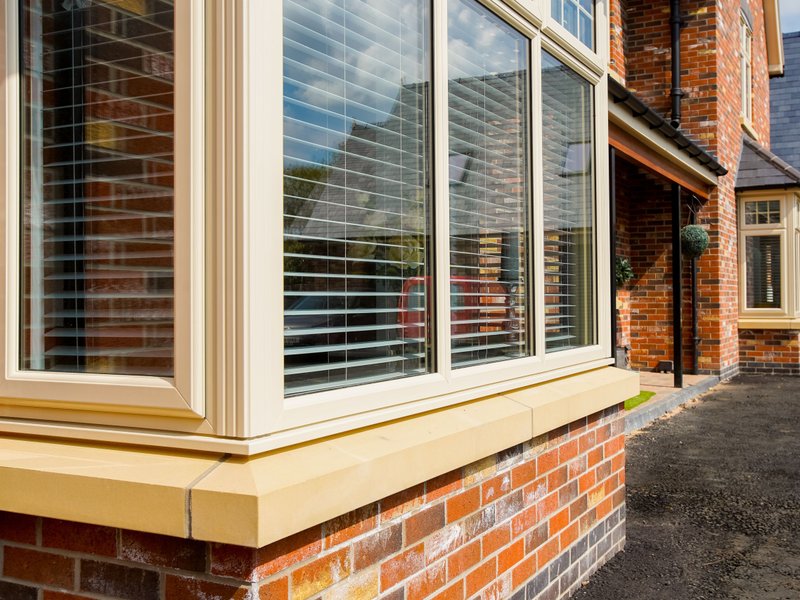
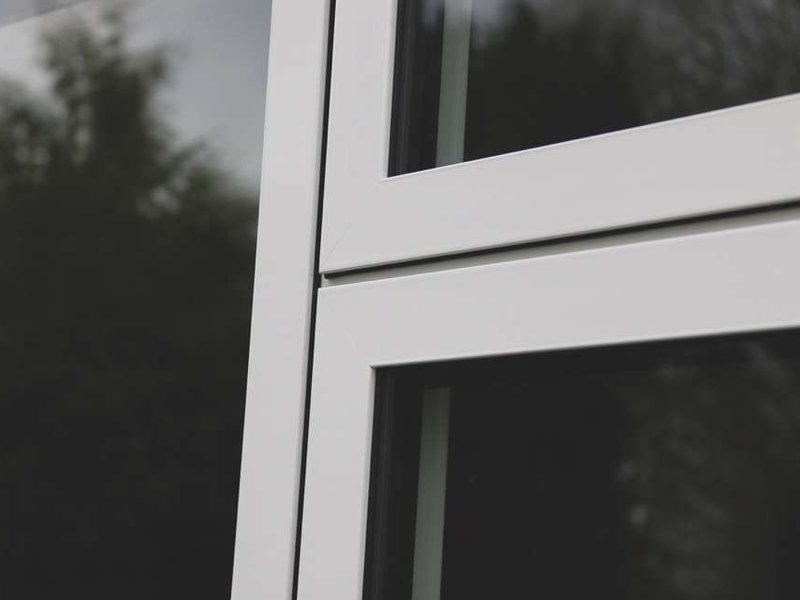
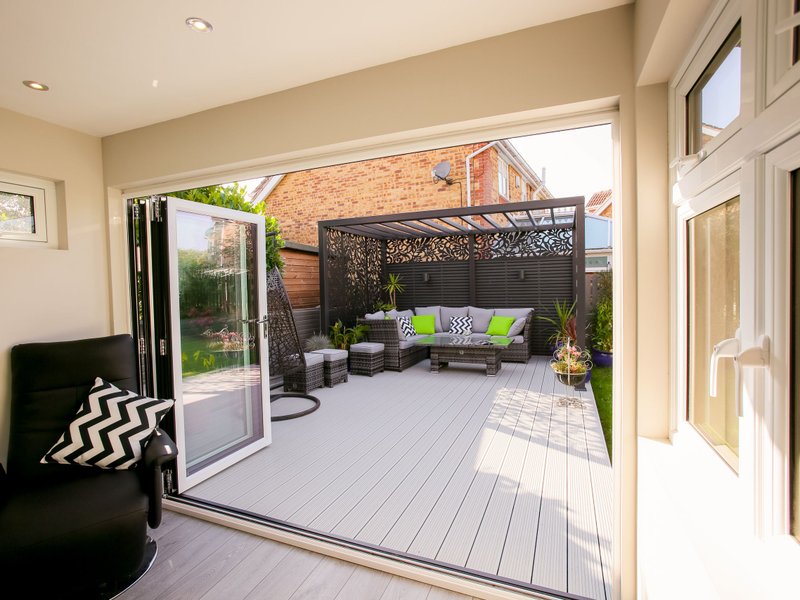
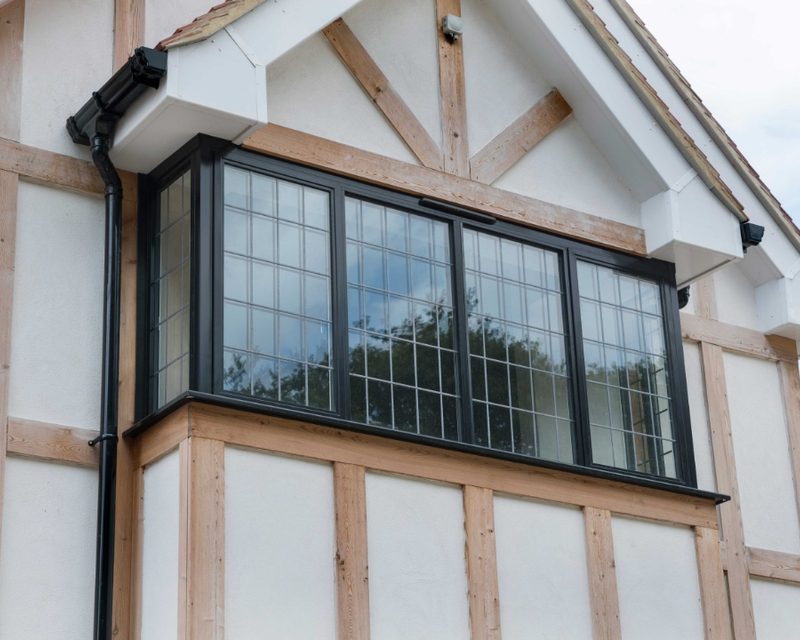
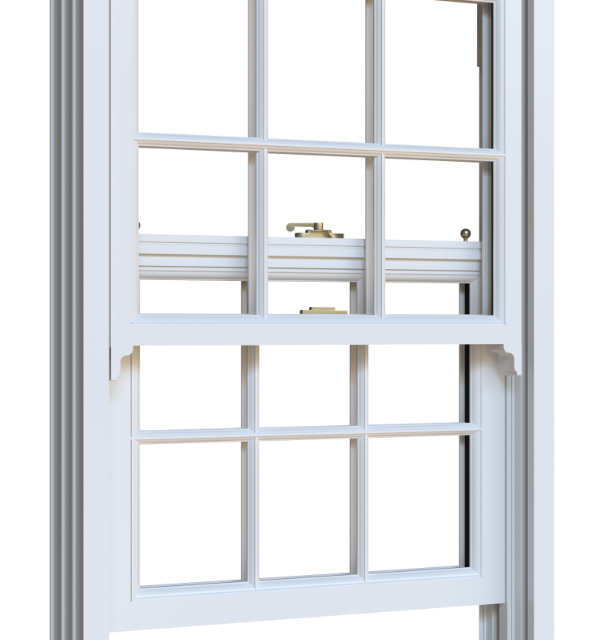
The appearance is where aluminium earns its price. The frames are strong enough to be slim, so you get more glass and less frame. On a modern house, or an extension with bifold doors, slim black or grey aluminium windows look amazing. On a 1930s semi or a Victorian terrace, a flush uPVC casement or a uPVC sash window often suits the house better than aluminium does.
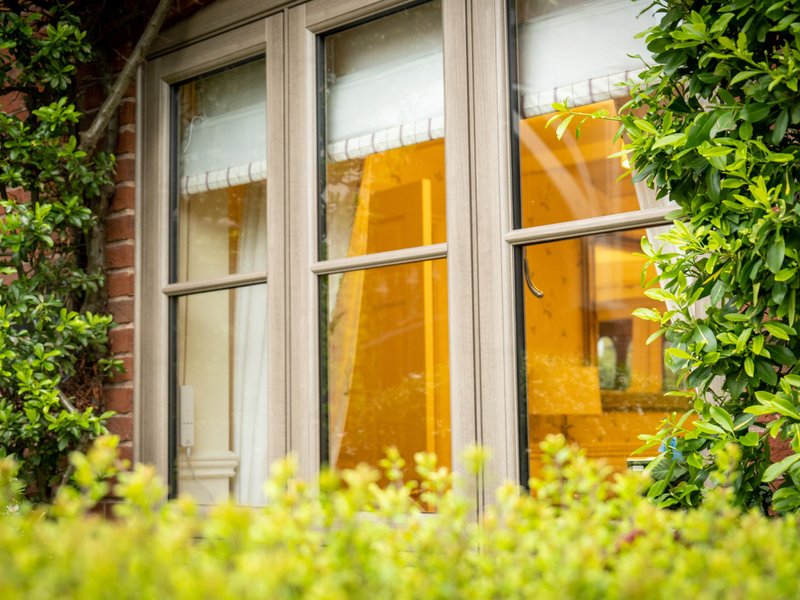
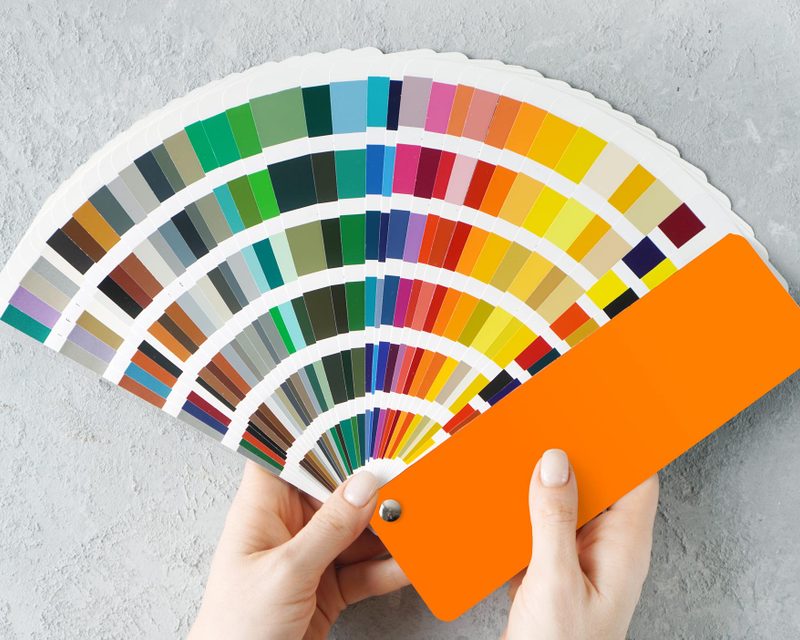
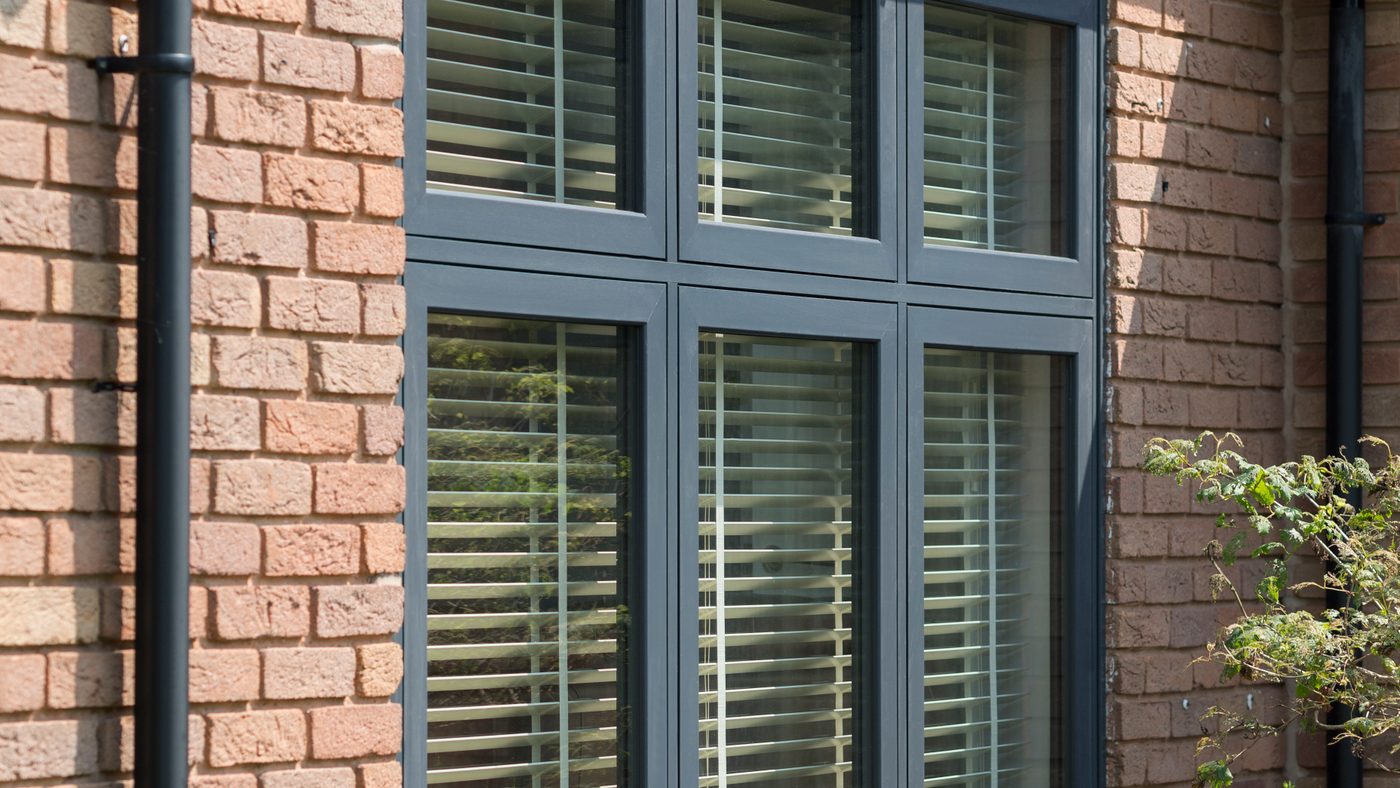
uPVC colours have come a long way and there are plenty of options available. Anthracite grey, agate grey, black and woodgrain foils all look good and do not fade the way older uPVC did. If you want a specific paint shade, both materials can be done in any RAL colour.
Energy efficiency
People assume aluminium is colder because metal conducts heat. Modern aluminium frames have a thermal break, a plastic barrier inside the frame that stops heat passing through. The result is that both materials achieve an A rating with the same glass. The glass does most of the work, as it covers more of the area. Our energy ratings guide explains the labels.
Lifespan and maintenance
Both products need nothing more than a wipe down a couple of times a year and a drop of oil on the hinges. Aluminium will outlast uPVC, but a well-made uPVC window still gives you 20 to 30 years, which is longer than most people stay in a house. Neither rots, warps or needs painting.
Security
Equal. Both products come with multi-point locking and internally or security beaded glass and both can be specified to PAS 24 / Secured by Design standards. Security comes from the hardware that is fitted, not the frame material itself.
Our view
Choose uPVC if: you want the best value, your house is traditional, or you want sash or flush windows to suit a period home. See our PVCu windows.
Choose aluminium if: your home is modern, you are adding bifold or sliding doors and want the windows to match, or you want the slimmest frames and the most glass. See our aluminium windows.
Mixing is fine. Plenty of our customers fit aluminium at the back, where the bifolds are, and uPVC at the front. Done well, nobody notices.
Not sure which suits your house? Book a free survey.
Frequently asked questions
Are aluminium windows worth the extra cost?
On a modern home with lots of glass, yes. On a standard semi with normal-sized windows, the extra is hard to justify unless you specifically want the slim look.
Do aluminium windows get condensation?
Not any more than uPVC. Thermally broken frames stay warm on the inside, so condensation is no more likely.
Can I get uPVC windows in black or grey?
Yes. Anthracite grey and black foils are among our most popular finishes.
Which lasts longer?
Aluminium, by around ten years. Both will outlast the guarantee many times over.